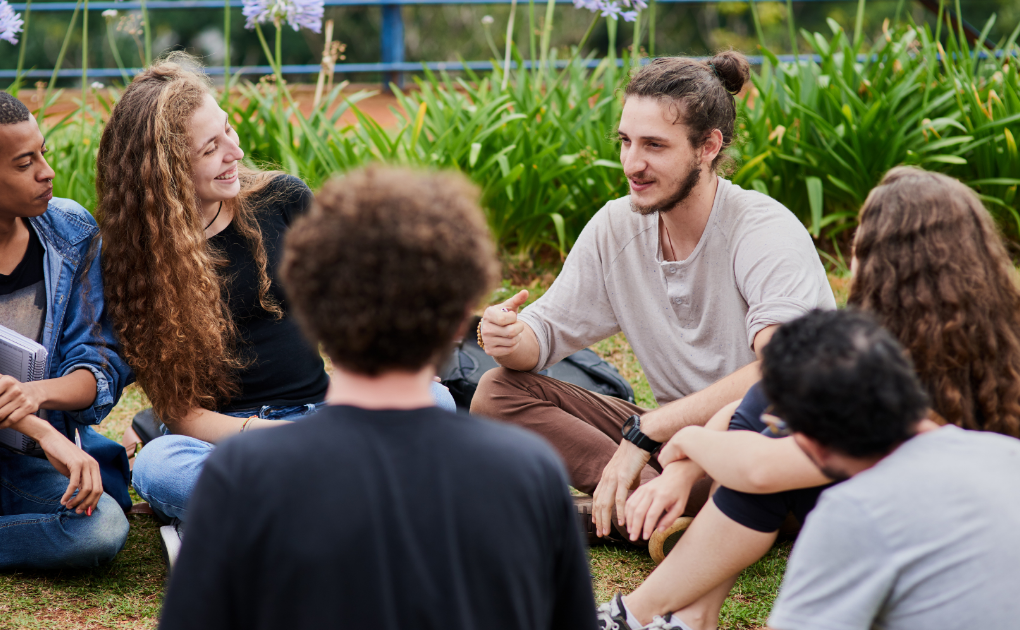
Community-based recovery means recovery happens in community and in relationship with others.
To note, recovery is not only about and the same as treatment. Treatment is one component, yes. But recovery is something much larger. It is not about wraparound services. It is about connection. It is about community. It is about restoring healing and joy to individuals, families, and the communities they belong to.
Substance use disorder and trauma are, at their core, diseases of isolation. People become separated from their families, their dreams, and their sense of purpose, but perhaps most painfully, they become separated from themselves. Over time, that isolation hollows a person out from the inside.
The statistics around trauma and substance use are staggering, but numbers do not tell the whole story. Trauma and healing both happen in relationship. We are often wounded by others, which can create deep distrust and suspicion, making it difficult to accept the very connection we need in order to heal.
So the question becomes: how do we create physical and psychological safety in our relationships, both professional and personal?
It begins with listening deeply and without judgment. Giving someone a place to truly tell their story is often the first step toward healing. This practice has been central to 12 Step programs, where countless people have found hope and recovery. And yet, much of this work still happens quietly, behind closed doors, in church basements and meeting halls, unintentionally reinforcing the stigma surrounding substance use disorder.
Unfortunately, that stigma creates a moral injury. It places yet another barrier in front of someone already carrying immense shame. When people struggle to believe their own actions, telling another human being can feel impossible.
We all carry things we regret, moments that make us wince when we think about them. Now imagine carrying not just a few, but many, including actions that violated your own values and promises. For people with a history of substance use disorder, this weight often deepens isolation and fear of judgment, further entrenching the very conditions that prevent healing.
Sometimes, telling one’s full story is not safe due to legal consequences or actions the individual believes are unforgivable. Still, speaking the truth to another person, to have a witness to responsibility and humanity, can be profoundly freeing.
For some, faith communities offer that protected space. A priest, minister, imam, rabbi, or other spiritual leader bound by confidentiality can serve as that witness. Others take that risk with a sponsor, without legal protection.
Telling one’s story is decidedly not about absolution. It is about speaking the truth out loud so it no longer has power over the person.
If recovery is built in relationship, then how we show up in those relationships matters. Skills like deep listening, curiosity without judgment, and honoring autonomy do not come naturally to most of us. They must be practiced and strengthened.
For SUD professionals, you can practice and strengthen those skills with two critical trainings: Motivational Interviewing and Creating Connections and Community, both offered at Authentic Trainings.
In these training sessions, participants learn to create psychologically safe spaces in which people feel heard, respected, and supported in their recovery.
This work is not about fixing people or applying techniques. It is about changing how we listen, how we respond, and how we build connection, one conversation and one community at a time. They are about building safe places for community-based recovery to work and creating lasting change.